contents
Nostalgia branding in India is not a strategy you choose — it is an asset you either have or you do not. You cannot manufacture it. A sepia filter on your packaging is not heritage; it is costume. The brands that actually do this well — Paper Boat, Amul — did not reach for nostalgia. Nostalgia reached for them, because the product or the campaign had been doing real work for years. Every other 'retro' rebrand is, in our view, cosplay.
Before the case studies, one clarification. Nostalgia marketing and retro branding are not the same thing. Nostalgia marketing borrows existing emotional memory — it works because the audience already carries the feeling. Retro branding borrows the *aesthetic* of a past era. One requires you to have actually been there; the other just requires a font licence.
Most brands attempting nostalgia branding in India are doing the second thing while hoping audiences will feel the first. They will not.
paper boat built memory into the product, not the packaging
Paper Boat is the cleanest example of nostalgia as product architecture. The company did not take an existing brand and age it. It started in 2013 and asked: which Indian drinks does everyone remember but nobody can find? Aam ras, jamun, jaljeera, kokum — drinks that carried strong, specific, regional childhood memory.
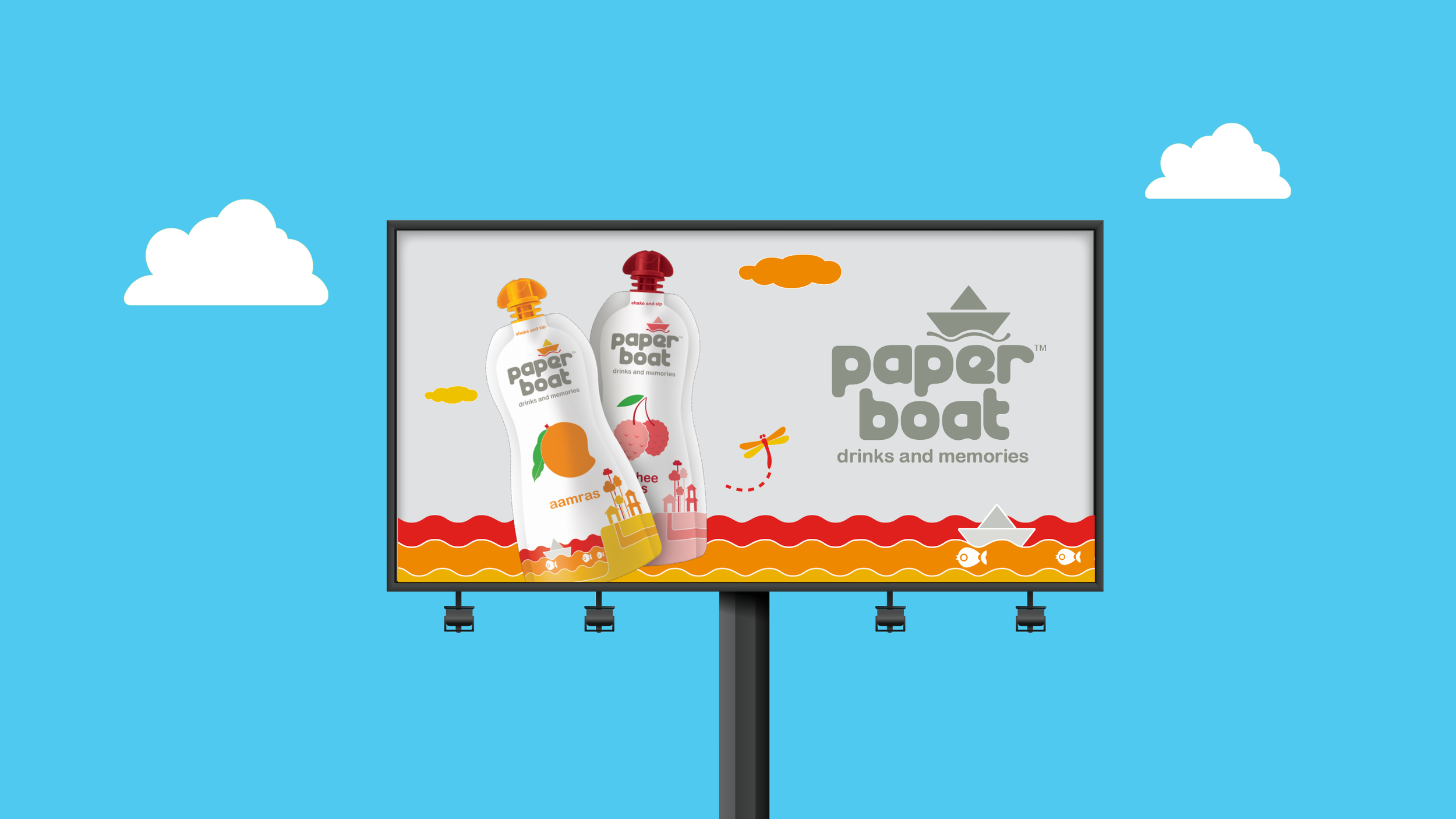
The product line *is* the nostalgia argument. The positioning — 'drinks and memories' — was not a campaign layer added later. It was the founding logic. That matters because every SKU earns the emotion independently. Drinking a Paper Boat jaljeera calls back a specific sensory memory the brand did not create — it only found and bottled it.
The packaging reinforces this: soft pouches with hand-drawn illustration, unhurried copy that reads like a note from someone's grandmother. The execution is consistent with the claim. That is what brand identity actually is — alignment between what you say and what the product delivers.
Most founders who want 'nostalgia branding' want the Paper Boat feeling without the Paper Boat idea. They want the aesthetic without the underlying memory being real.
amul is not doing nostalgia — it never left
Amul is the most misread example in this conversation. People call the Amul girl 'nostalgic'. She is not. The Amul topical campaign has run continuously since 1966 — one of the longest-running advertising campaigns anywhere in the world. The butter girl did not come back. She never went away.
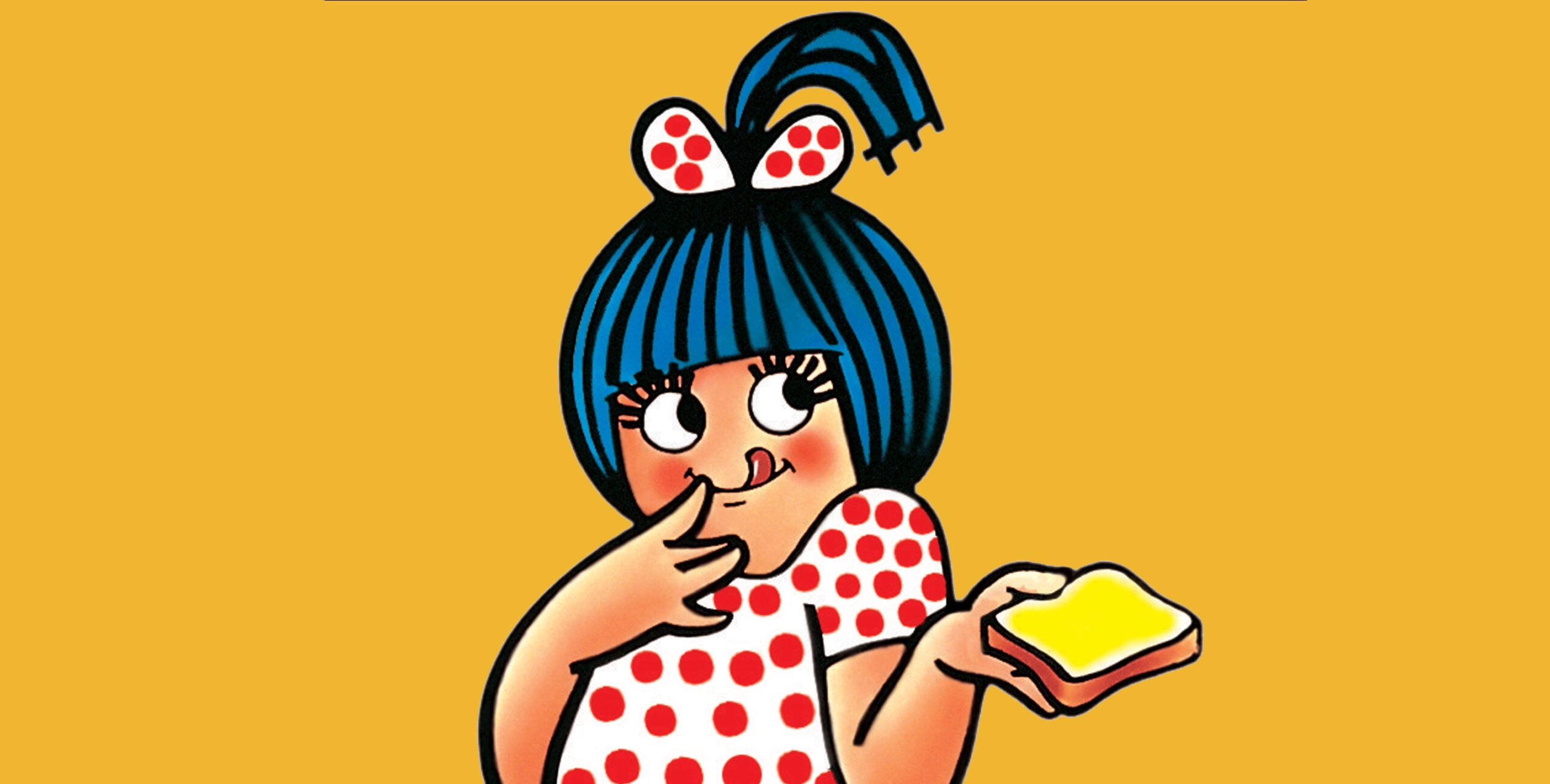
“Amul has run the same butter-girl campaign since 1966 — the topical wit is the identity; the hoarding is just the container.”
What Amul has is continuity, not nostalgia. The equity is accumulated, not borrowed. Each new topical execution deposits more into an account that has been open for sixty years. That is a fundamentally different mechanism from a brand that goes away for a decade and then tries to cash the cheque.
The lesson is not 'run your campaign forever'. It is that Amul's equity is real because it was built in real time, consistently, without interruption. You cannot replicate that by designing a retro logo. You can only build your own version of it, starting now.
campa cola: nostalgia you buy versus nostalgia you build
Campa Cola is the most instructive cautionary tale in current Indian marketing. The original brand — an Indian cola popular through the 1970s and 80s — was acquired by Reliance in 2022 and relaunched in 2023 at aggressively low price points.
The nostalgia is real. Campa Cola existed, people drank it, people remember it. That part is not manufactured. But the brand was dormant long enough that the memory belongs almost entirely to consumers who are now 45-plus — not the primary target for a mass-market cola.
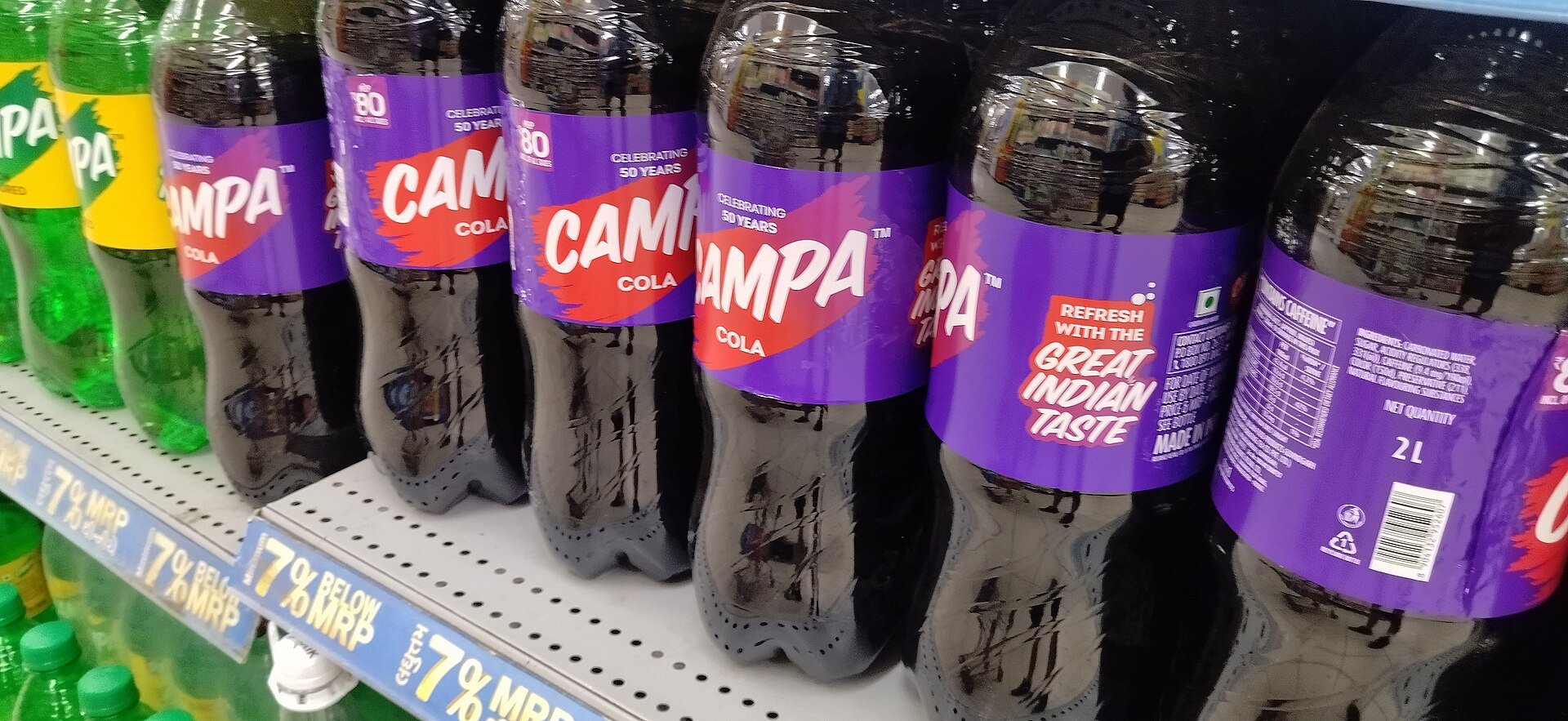
Reliance has the distribution muscle to put Campa Cola in every kirana. The unresolved strategic question is whether inherited nostalgia converts to present-day habit for a younger audience with no personal memory of the brand. Buying equity is not the same as earning it. Rebrands often fail on exactly this gap: the story a brand tells about its past does not match the experience a consumer has in the present.
If Campa Cola succeeds, it will be because of price and distribution, with nostalgia as a useful conversation-starter. That is a legitimate strategy — but it is not nostalgia marketing in any meaningful sense. It is a value play wearing vintage clothing.
do you actually have nostalgia to use? an honest test
Here is the question we ask founders who come in wanting 'nostalgic' or 'heritage' branding: who is carrying the memory, and did your brand put it there?
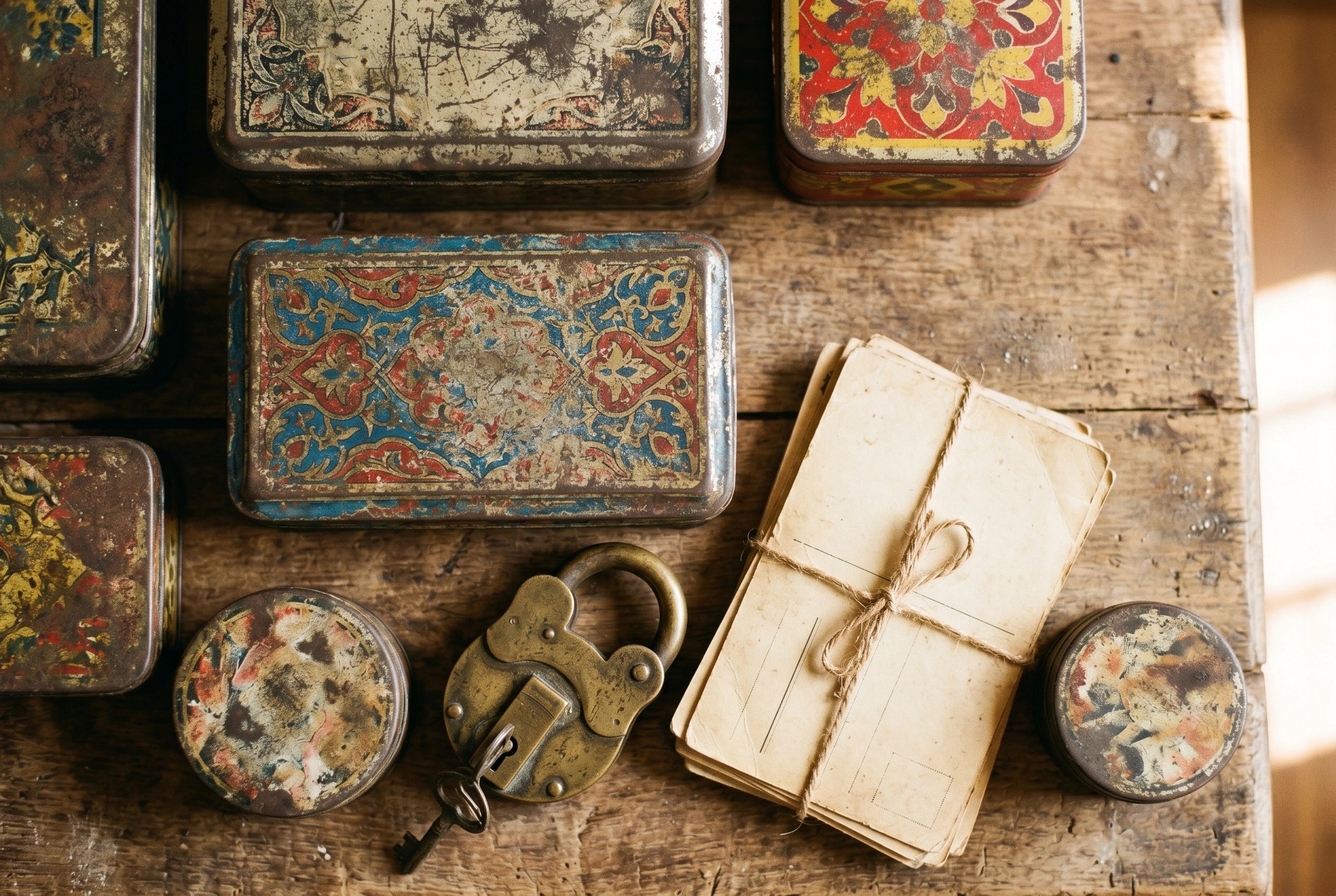
If you cannot answer both halves with a straight face, you do not have nostalgia. You have a retro aesthetic — a stylistic choice, entirely fine — but it should not be confused with emotional equity. Call it what it is.
- The memory is carried by real people — not 'people who liked that era generally', but people who specifically remember your brand or product in a personal way.
- Your brand was there when the memory formed. Campa Cola passes this (partly). A new chai brand using 1970s packaging does not.
- The product can back the claim today. Nostalgia gets people to try something once. The product has to keep them.
- You have continuity, or a credible reason for the gap. A brand that vanished for twenty years needs to explain itself. Silence is not heritage.
Most founders fail at least two of these. That does not mean nostalgia branding is off the table forever — it means it is not the right tool right now. Build equity first. The nostalgia will be available later, and it will be real.
If you want to see what grounded brand strategy looks like in practice, our work includes identity projects where we had exactly this conversation and talked founders off the retro ledge.
quick answers
what is nostalgia marketing?
Nostalgia marketing uses existing emotional memory — feelings tied to the past — to create fast affinity for a brand or product. It works by borrowing memory the audience already holds, not by creating new associations from scratch.
why does nostalgia marketing work?
Because memory carries emotion, and emotion shortens the distance between exposure and trust. A brand that reminds you of something you already loved skips several steps of the normal persuasion cycle. The risk is that borrowed memory is not owned memory — it can evaporate the moment the product disappoints.
what are good examples of nostalgia branding in india?
Paper Boat (memory as product category), Amul (continuous equity often mistaken for nostalgia), and Campa Cola (bought heritage attempting present-day relevance) are the three clearest examples, at different points on the spectrum. Maggi and Rasna are frequently cited for everyday-childhood associations, though neither has run a major nostalgia-led rebrand recently.
can a new brand do nostalgia marketing?
Not authentically. A new brand can use retro aesthetics, which is a design choice. Nostalgia marketing requires that the audience already holds emotional memory of your brand or your specific product. You cannot manufacture that memory; you can only wait for it to accumulate.
“Nostalgia is an asset with a specific acquisition cost: time and consistency. There are no shortcuts to the ledger.”
filed under

got a project in mind?
we turn thinking like this into brands that actually ship. tell us what you’re working on.