contents
FSSAI's first big labelling overhaul since 2020 is now law — notified in March 2026, with packs required to comply by around July 2027. It tightens symbols, claims, and bulk-pack disclosure today, and it sets up the bigger change everyone in packaged food is bracing for: a front-of-pack nutrition mark the Supreme Court is pushing FSSAI to finalise. Here is what has actually changed, what is still coming, and how to design for both without ending up with an ugly pack.
We get a version of this question every week from food founders: 'do we have to redo our packaging?' The honest answer is yes, on a clock — and the brands that treat it as a design problem now will look far better in 2027 than the ones who bolt compliance on at the printer.
what actually changed in the 2026 amendment
The Food Safety and Standards (Labelling and Display) First Amendment Regulations, 2026 were notified on 30 March 2026, with a 365-day transition — so the compliance deadline lands at roughly 1 July 2027. It is the first major change to the labelling framework since the 2020 regulations. Four things matter for your pack:
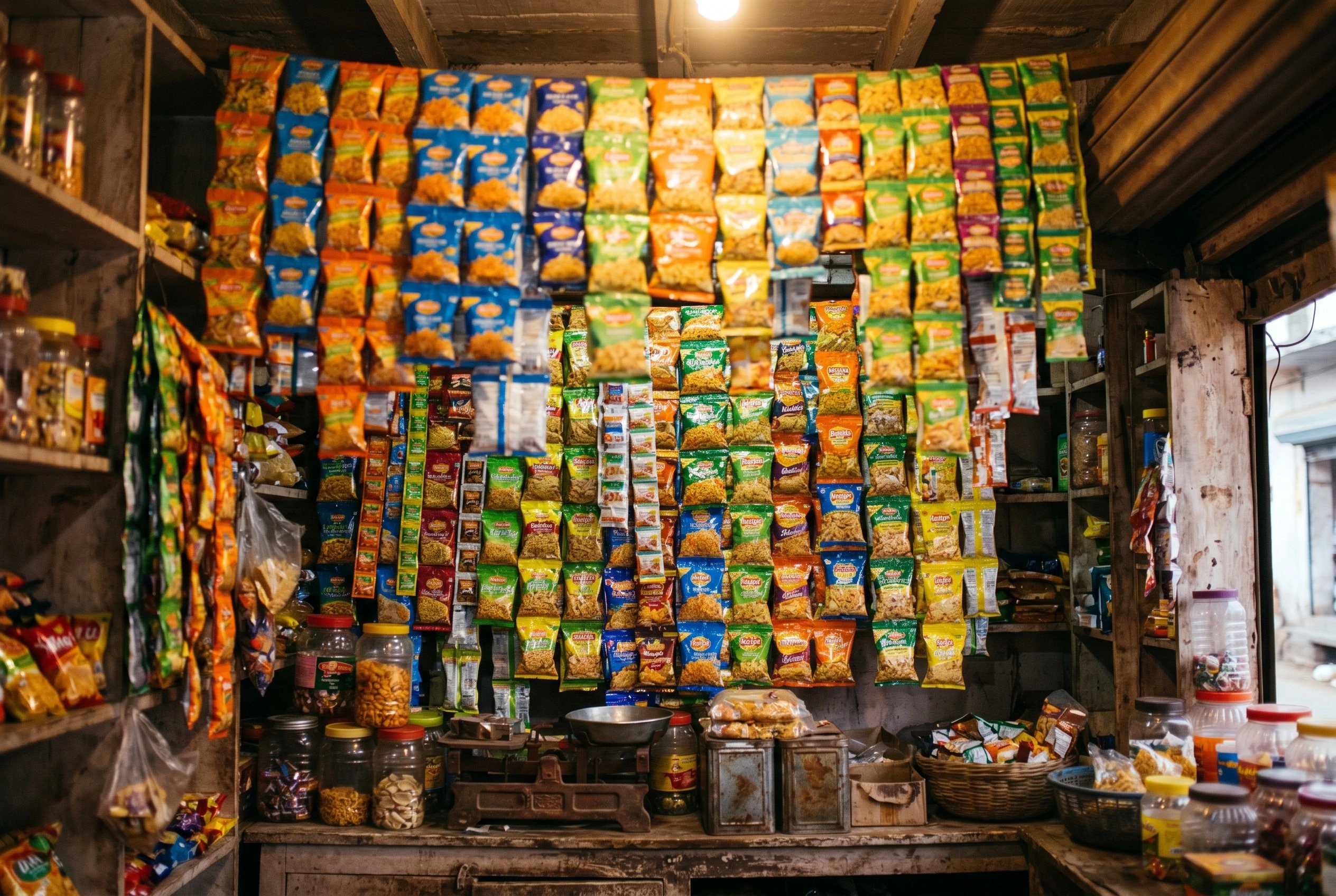
- Veg / non-veg symbols are standardised. The green circle and brown triangle now carry tighter rules on size, placement, and colour — the days of shrinking or screening them back to protect a layout are over.
- Bulk and non-retail packs lose their easy ride. Containers sold business-to-business — food service, institutional supply — now carry fuller disclosure and traceability, closer to what retail packs already show.
- Nutrition-exemption rules are narrower. Infant nutrition products must declare nutrition in line with international standards, and the 'raw food' exemption is defined more tightly so processed products cannot hide behind it.
- Allergen declaration in bold stays mandatory — unchanged since 2020, but reinforced. The major allergens must be obvious, not buried in the ingredient list.
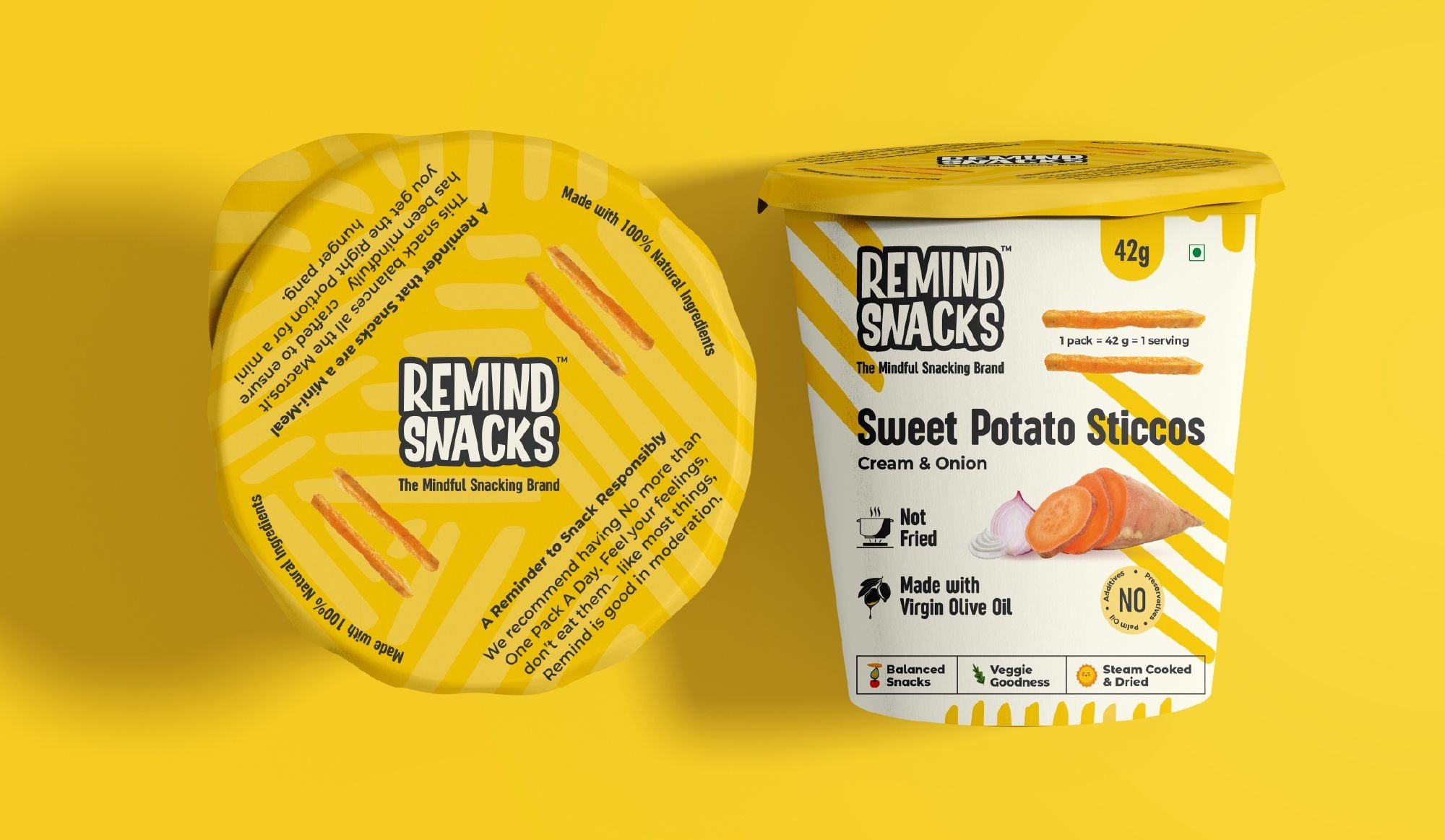
Running alongside this is a separate rule worth knowing: since 2025, FSSAI has barred blanket '100%' claims — '100% natural', '100% pure', '100% organic' — across a product when only one component qualifies, under its advertising and claims regulations. Misuse can attract fines of up to ₹10 lakh. You can still say 'made with 100% whole-grain oats' if that is literally true of the oats; you cannot stamp '100% natural' across a pack that lists artificial colour.
the big one is still coming: the front-of-pack nutrition mark
The change that will reshape Indian food packs — front-of-pack labelling for foods high in sugar, salt, and fat — is not finalised yet. It has been in consultation for years. On 10 February 2026, the Supreme Court pushed FSSAI to stop stalling and settle it.
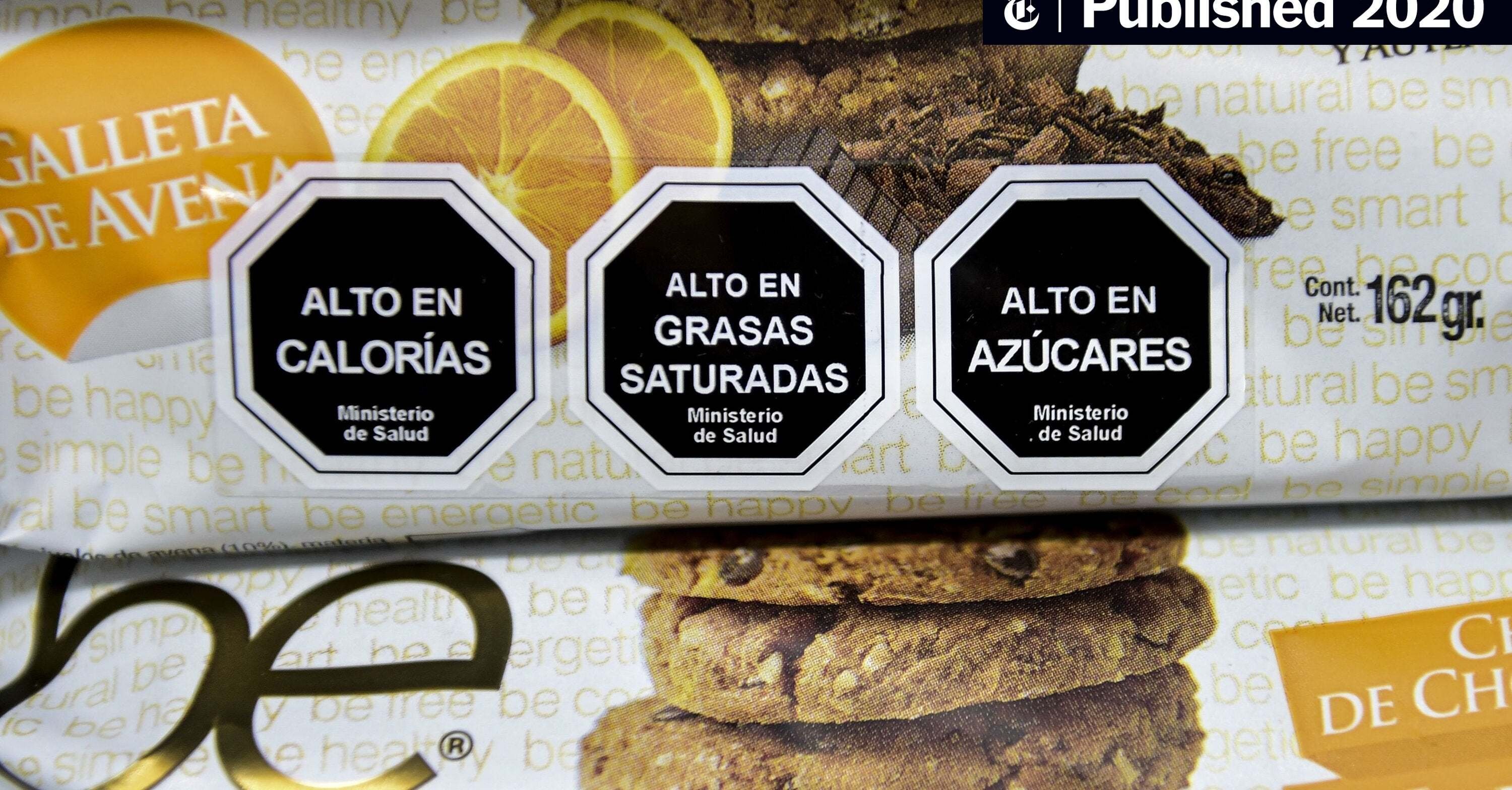
What it will look like is genuinely undecided, and the format changes the design problem completely. India's 2022 draft proposed an Indian Nutrition Rating — a star score out of five. Public-health groups are pushing for blunt warning labels, the Chile-style black octagons that simply read 'high in sugar'. The UK uses traffic lights. More than forty countries now run some mandatory front-of-pack system; India will pick one.
Whichever lands, it claims a fixed, non-negotiable patch of your principal display panel — the face the shopper sees. A star rating sits very differently from a warning octagon, but both take space you used to own outright.
“Brands fighting the warning label will lose twice — comply beautifully instead.”
the real-estate problem, and how to design around it
The principal display panel used to be entirely yours — logo, hero image, the one claim you wanted a shopper to read. The standardised symbols already eat into that, and a front-of-pack nutrition mark will eat further. On a slim pouch or a small tetrapak, that is genuinely tight.

The failure mode we see constantly: brands treat compliance as additive. They design the full pack, then ask the printer or legal team to 'add the nutrition stuff'. The result is a symbol in a contrasting box, floating on top of an otherwise finished design. It reads as an afterthought — and it is exactly the kind of constraint we design around from the brief, not the artwork.
The moves that work:
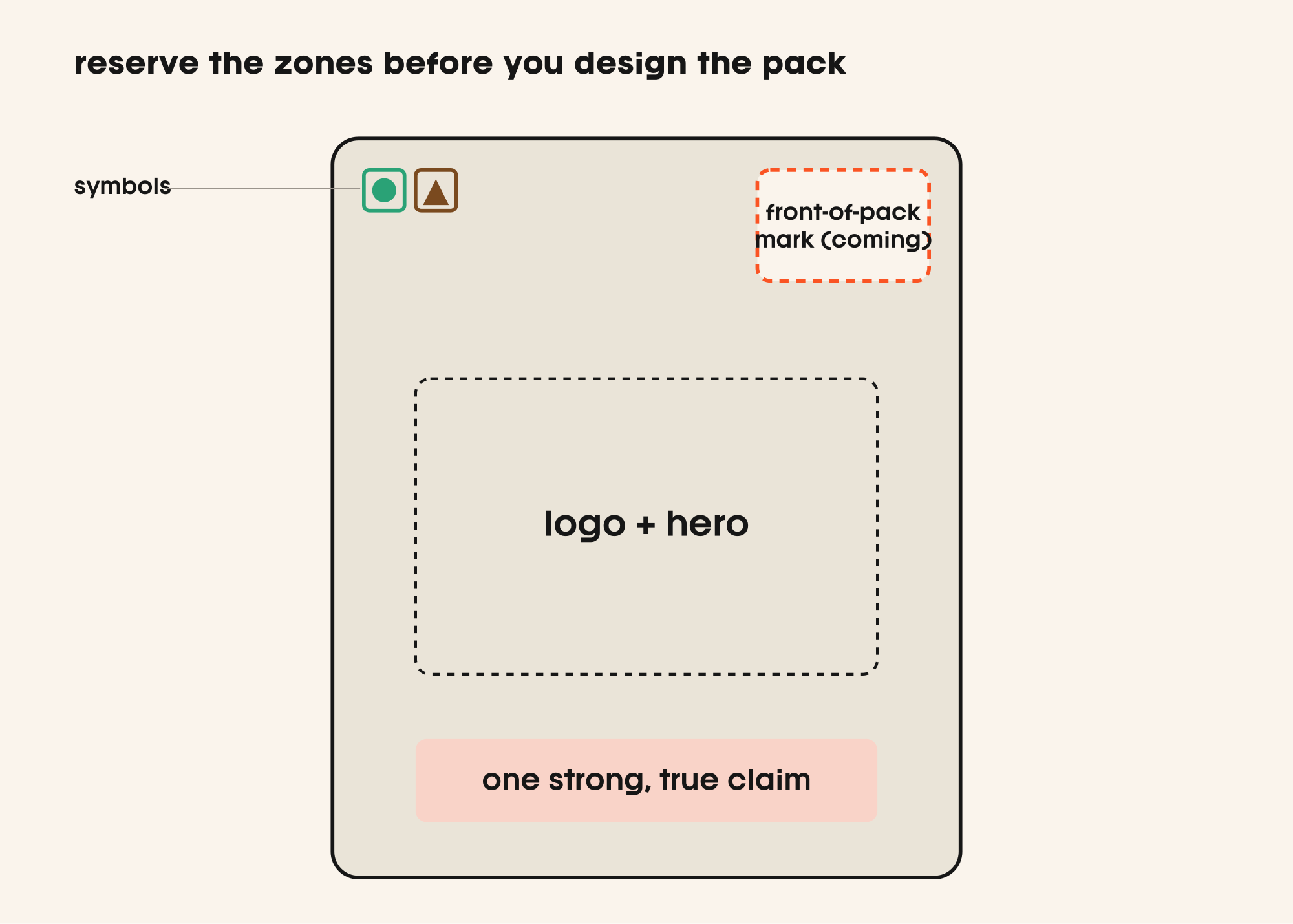
- Allocate the zone first. Before any visual work, reserve a corner of the principal display panel for a front-of-pack mark — even though the exact format is not law yet. Designing around a placeholder now is far cheaper than re-opening artwork in 2027.
- Make the symbols belong. Pull the veg/non-veg marks, and any future nutrition mark, into your palette and grid instead of dropping them in a contrasting white box. An element that shares the pack's typography and spacing reads as considered, not court-ordered.
- Earn the space back with one strong claim. With blanket '100%' claims gone, a single substantiated claim — 'cold-pressed', 'no added sugar' (if true) — does more work than three vague ones, and will not get you a notice.
- Brief photography and 3D for a live zone. If your hero shot bleeds under the compliance corner, it gets covered. Treat that area as occupied from the first render, not as background.
a 2026 compliance checklist that keeps shelf appeal
Run this before artwork goes to the printer. It is not legal sign-off — your FSSAI consultant clears the final file — but it catches the design failures that make compliance look bad.

- Veg/non-veg symbols meet the new size, colour, and placement spec — not shrunk to protect the layout.
- Every claim audited: no blanket '100%' claim; each remaining claim is substantiated.
- Allergens declared in bold, obvious at a glance.
- Bulk and non-retail SKUs carry the fuller disclosure and traceability the amendment now requires.
- A front-of-pack zone is reserved on the principal display panel, ready for the nutrition mark once its format is notified.
- Artwork checked on the actual pack form — pouch, sleeve, tray — not just as a flat file.
- Deadline tracked: the 2026 amendment requires conformance by roughly 1 July 2027 — confirm the exact date for your category with your consultant.
- Final artwork sign-off documented: version, who cleared it, date.
quick answers
what changed in the fssai 2026 labelling amendment?
The First Amendment Regulations, 2026 (notified 30 March 2026) standardise veg/non-veg symbols, tighten labelling for bulk and non-retail containers, narrow nutrition-labelling exemptions (including for infant foods), and reinforce bold allergen declaration. Packs must comply by around 1 July 2027.
does the 2026 amendment require front-of-pack warning labels?
Not yet. Front-of-pack labelling for high-sugar, high-salt, and high-fat foods is still being finalised. The Supreme Court pushed FSSAI in February 2026 to settle it, but the format — a star rating, warning symbols, or traffic lights — is undecided. Design as if it is coming, because it is.
what is front-of-pack labelling?
Front-of-pack labelling puts nutrition information — a rating, or a warning about high sugar, salt, or fat — on the front face of a pack where a shopper sees it, instead of only in the nutrition table on the back. The aim is an at-a-glance signal, useful even to someone who will not read the fine print.
when do the new fssai rules take effect?
The 2026 amendment carries a 365-day transition from its 30 March 2026 notification, so compliance is due around 1 July 2027. Do not wait for the deadline — packaging inventory and printer lead times mean the redesign work has to start well before it.
The direction is settled even if the final symbol is not: Indian food packs are going to carry clearer, harder-to-hide nutrition information, and a front-of-pack mark is on its way. You can design it in now, on your terms, or have it bolted on later, on someone else's. For how this fits the wider build, see the packaging design process.


got a project in mind?
we turn thinking like this into brands that actually ship. tell us what you’re working on.